

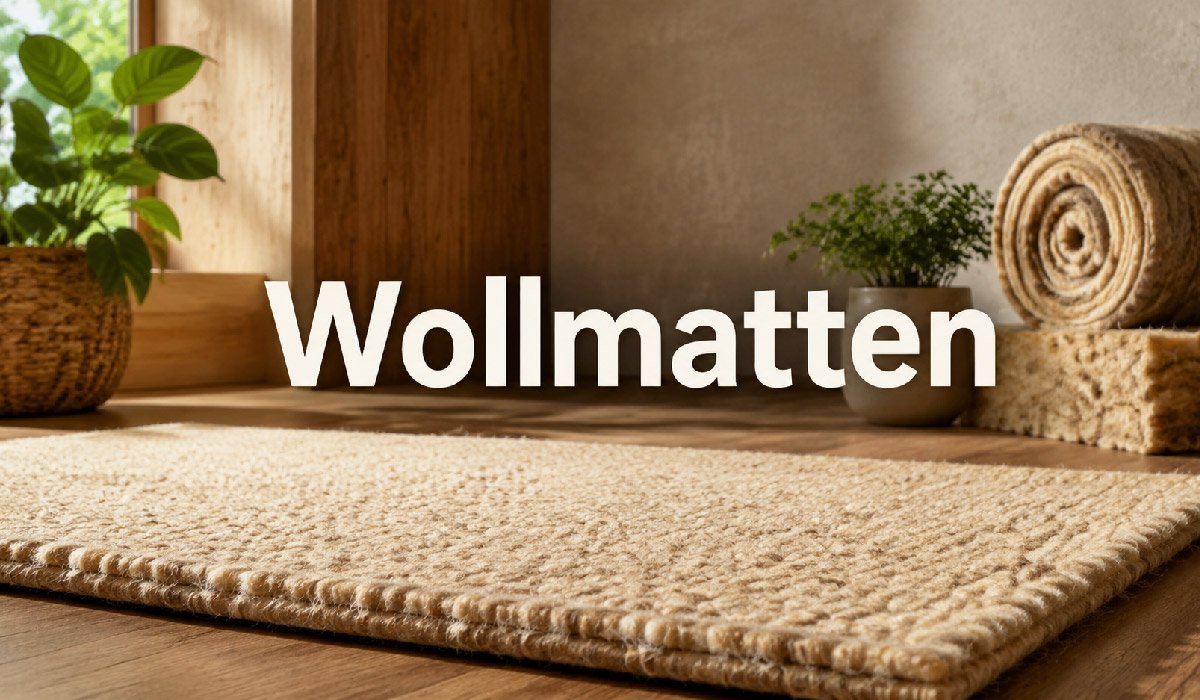
Wollmatten are natural wool mats valued for warmth, comfort, and practical performance. The German term covers products used in homes, buildings, gardens, and creative interior spaces worldwide with growing interest.
Their popularity comes from growing interest in renewable materials that can manage moisture, soften sound, hold warmth, protect soil, and replace some petroleum-based products in daily life and construction projects.
This guide explains the correct meaning of Wollmatten, their main types, production methods, benefits, limitations, uses, buying factors, installation needs, cleaning steps, storage advice, and common questions for new buyers.
What Are Wollmatten?
Wollmatten is a German word that translates directly as “wool mats.” “Wolle” means wool, while “Matten” means mats. The term is correctly spelled and is not a misspelling, abbreviation, or particular brand name.
Wollmatten are usually made from sheep wool processed into flat, flexible layers. Depending on their purpose, they may be soft and decorative, dense and protective, or thick enough to provide thermal insulation.
The term covers several products rather than one specific item. These include floor coverings, acoustic panels, building-insulation batts, garden mulch mats, yoga surfaces, furniture pads, wall decorations, and protective industrial materials.
Understanding the Different Types of Wollmatten
Decorative Wollmatten are designed for visible areas inside homes. They provide softness, color, texture, and warmth. People commonly place them in living rooms, bedrooms, nurseries, offices, and quiet reading spaces.
Insulation Wollmatten are thicker products made for walls, ceilings, roofs, lofts, and floors. Their crimped fibers trap small pockets of air, helping slow heat movement and absorb sound inside a building.
Garden Wollmatten are placed around plants or across open soil. They limit direct sunlight reaching weeds, reduce surface evaporation, protect roots, and slowly add organic material to the ground as they break down.
How Wollmatten Are Made
Production begins when wool is collected during sheep shearing. The fleece is sorted according to fiber length, strength, cleanliness, and quality. Lower-grade wool unsuitable for fine clothing can still work well in mats and insulation.
The selected wool is washed through a process called scouring. This removes dirt, sweat salts, and much of the natural wool grease. After drying, the fibers are opened, untangled, and arranged through carding.
Manufacturers then turn the loose fibers into a stable mat. They may use wet felting, needle punching, weaving, or a supporting binder. Product composition varies, so some mats contain pure wool while others include synthetic backing or support fibers.
Why Wool Works So Well
A wool fiber has a natural curl known as crimp. When many curled fibers are joined together, they create countless tiny spaces that hold air. These pockets reduce the speed at which heat passes through the material.
Wool is also elastic. Its fibers can bend under pressure and recover much of their original shape. This feature helps quality floor mats remain comfortable and allows correctly installed insulation to maintain its thickness.
Its irregular fiber structure also interrupts sound waves. This makes wool useful where people want to soften footsteps, reduce echoes, or improve acoustic comfort without installing a hard or heavy material.
Thermal and Acoustic Performance
Building Wollmatten can provide effective thermal insulation. Research reports thermal-conductivity values for sheep wool commonly around 0.038 to 0.054 W/mK under standard conditions, although density, moisture, manufacturing, and installation affect performance. Scientific review of sheep-wool building composites
In cold weather, wool insulation helps slow heat escaping through roofs, walls, and floors. During warmer periods, it can slow outside heat entering the building. Correct thickness and gap-free installation are essential.
Wool also provides useful acoustic absorption. Floor mats can reduce footsteps and room echoes, while insulation products can limit some sound movement through partitions. Results depend on mat thickness, density, and the complete building system.
Moisture Regulation and Breathability
Wool is hygroscopic, meaning it can absorb water vapor from surrounding air and release it when conditions become drier. Some sheep-wool insulation products can manage moisture equal to roughly one-third of their weight. ISOLENA sheep-wool insulation guidance
This property can moderate changing humidity and support breathable building systems. It does not mean that Wollmatten are waterproof. A floor mat should never remain soaked, and insulation must be protected from leaks and standing water.
Ventilation, drainage, vapor control, and correct construction remain important. Even a moisture-regulating material can develop odors or deterioration when continuously exposed to water or installed inside a poorly designed structure.
Wollmatten for Floors and Interior Design
A wool floor mat adds a warm and cushioned surface over wood, stone, tile, or laminate. It can make bedrooms, living rooms, offices, libraries, and relaxation areas feel softer and more welcoming.
Dense mats work well in areas receiving regular foot traffic. Softer or thicker designs may suit bedside spaces and quiet sitting areas. Buyers should also consider whether the mat will fit beneath doors and furniture.
Wollmatten are available in natural cream, brown, gray, and black shades. Dyed versions offer brighter colors and patterns. Felted designs usually appear simple and modern, while woven mats may include detailed decorative work.
Wollmatten as Building Insulation
Insulation Wollmatten are manufactured as rolls, batts, strips, or flexible panels. They can be installed between timber studs, ceiling joists, rafters, and floor supports or fitted around pipes and uneven building features.
The material is flexible and generally comfortable to handle. However, every installation should follow the manufacturer’s instructions. Compressing the mat too tightly or leaving empty spaces can reduce its thermal performance.
Builders must check local requirements for thermal resistance, fire performance, and product certification. Sheep wool is naturally slow to ignite, but it is not fireproof. Fire ratings and protective treatments differ between products.
Garden Uses and Soil Benefits
Garden Wollmatten act as biodegradable surface covers. They block some light from reaching unwanted plants, helping suppress weed growth. They also shade the ground and slow the loss of water from the soil surface.
Wool contains nitrogen and other naturally occurring nutrients. As an untreated garden mat gradually decomposes, it can return organic matter to the soil. Research also supports wool mulch as a material for soil-temperature and moisture management. Study on wool mulch and soil moisture
Garden mats should be placed around plants without covering their stems. Their performance and decomposition time depend on thickness, climate, rainfall, soil activity, and whether the wool contains non-biodegradable backing or treatments.
Environmental Value of Wollmatten
Wool is renewable because sheep grow a new fleece after shearing. Using lower-grade fleece for mats can also provide a practical purpose for fibers that have limited value in the clothing industry.
Pure, untreated wool can biodegrade under suitable conditions. However, the complete product may include polyester binders, rubber backing, adhesives, dyes, or pest treatments. These additions affect recyclability and end-of-life disposal.
Environmental impact also depends on farming, transport, washing, processing, durability, and manufacturing energy. Buyers interested in sustainable products should examine wool origin, total composition, expected lifespan, certifications, and disposal instructions.
Main Benefits of Wollmatten
Comfort is one of their clearest advantages. Wool feels warmer than a bare hard floor and offers natural cushioning. It can make bedrooms, sitting areas, playrooms, and home offices more pleasant.
Wollmatten can provide thermal insulation, sound absorption, moisture regulation, and visual texture. Garden versions can protect soil, reduce weeds, hold moisture, and return organic material as they naturally decompose.
High-quality wool is also resilient and durable. When the mat is selected for the correct purpose and maintained properly, it can remain useful for many years instead of requiring frequent replacement.
Drawbacks and Practical Limitations
Wollmatten often cost more initially than basic synthetic mats. Large handmade rugs and certified building-insulation products can be particularly expensive because of their material quality, processing, testing, and production requirements.
Natural wool needs careful cleaning. Excessive water, strong chemicals, hard scrubbing, and unsuitable heat can damage its fibers. Some colors may also fade when exposed to strong sunlight for extended periods.
Moths and carpet beetles can damage untreated wool. Construction products may therefore receive protective treatment. Buyers should examine the wool content, backing, fire classification, pest protection, and care requirements before making a decision.
Wollmatten Compared with Synthetic Mats
Wool normally offers better natural moisture regulation, warmth, resilience, and sound absorption. It is also renewable and can biodegrade when the finished product contains no persistent synthetic backing or chemical components.
Synthetic mats are commonly cheaper and may be easier to wash. Rubber and plastic products can also perform better in bathrooms, outdoor entrances, and other places where repeated contact with water is expected.
Neither option is automatically best for every location. Wollmatten suit spaces where comfort, warmth, appearance, acoustic control, and natural materials matter. Synthetic mats may suit wet areas, restricted budgets, or demanding cleaning routines.
How to Choose the Right Wollmatten
Begin by identifying the intended purpose. A decorative floor mat cannot replace certified building insulation, while an insulation batt is not designed to serve as an exposed rug or exercise surface.
For flooring, examine size, wool percentage, thickness, density, backing, colorfastness, and cleaning instructions. Select a durable, dense construction for busy areas and a softer design for bedrooms or low-traffic spaces.
For insulation, compare thermal conductivity, required thickness, fire rating, pest treatment, composition, and technical certification. Garden buyers should check whether the complete mat is biodegradable and suitable for contact with soil and edible plants.
Cleaning and Maintenance
Vacuum floor Wollmatten regularly using a setting suitable for wool. Removing surface dirt prevents small particles from becoming deeply trapped and rubbing against the fibers during everyday use.
Blot spills immediately with a clean, absorbent cloth. Do not rub the affected area. If cleaning is required, use a small amount of wool-safe solution and test it on a hidden section first.
Avoid soaking the material unless its instructions specifically permit washing. Rotate floor mats occasionally to distribute wear. Professional wool cleaning may be appropriate for large, valuable, or heavily stained pieces.
Correct Storage
Clean and dry a Wollmatte fully before storing it. Trapped dirt can attract insects, while remaining moisture can cause unpleasant odors, staining, or damage during a long storage period.
Roll larger floor mats instead of folding them sharply. Use breathable protection and store the roll in a cool, clean, dry location away from direct sunlight and damp walls.
Check stored wool periodically for insects or moisture. Only use pest-control products suitable for wool, and keep every treatment away from children, pets, food, and garden mats intended for growing areas.
Are Wollmatten Worth Buying?
Wollmatten can be worth their higher purchase price when natural comfort, long service life, temperature control, and quieter indoor spaces are important. Their value is strongest when buyers select the correct product.
They may be less practical in constantly wet areas or homes requiring frequent machine washing. A low-cost synthetic mat can sometimes be the more convenient option for entrances, bathrooms, or messy working areas.
For buildings and gardens, value depends on performance rather than appearance. Certified insulation should meet the project’s technical needs, while garden mats should be biodegradable, correctly sized, and free from unsuitable backing materials.
Final Thoughts
Wollmatten is not a misspelled internet term. It is the German plural word for wool mats and covers several useful products made for flooring, insulation, acoustic control, gardening, decoration, and personal comfort.
Their main qualities come from the structure of wool fibers. The fibers trap air, absorb sound, regulate water vapor, recover after pressure, and eventually biodegrade when the product remains natural and untreated.
The best Wollmatten depend on where and how they will be used. Checking composition, thickness, treatments, technical ratings, cleaning needs, and long-term durability helps buyers choose safely and avoid unsuitable products.
(FAQs)
What does Wollmatten mean?
Wollmatten means “wool mats” in German. It is the plural form of Wollmatte. The term describes floor coverings, insulation batts, acoustic materials, garden mulch mats, and other products made mainly from wool.
What are Wollmatten made from?
Most Wollmatten are made from sheep wool that has been washed, carded, and felted, woven, or needle-punched. Some products also contain polyester support fibers, backing, adhesives, dyes, or protective treatments.
Can Wollmatten be used as building insulation?
Yes. Insulation-grade Wollmatten can be fitted inside roofs, walls, ceilings, and floors. Buyers must choose certified construction products with suitable thermal performance, thickness, fire classification, pest protection, and installation guidance.
Are Wollmatten waterproof?
No. Wool can absorb and release water vapor, but this does not make it waterproof. Wollmatten should be dried after spills and protected from leaks, standing water, and long periods of excessive moisture.
How long do Wollmatten last?
Their lifespan depends on wool quality, construction, traffic, sunlight, moisture, cleaning, and storage. A well-made floor mat can remain useful for many years, while biodegradable garden mats are designed to break down gradually.
You may also read: Cellulogia Guide: Benefits, Treatment, and Results
