

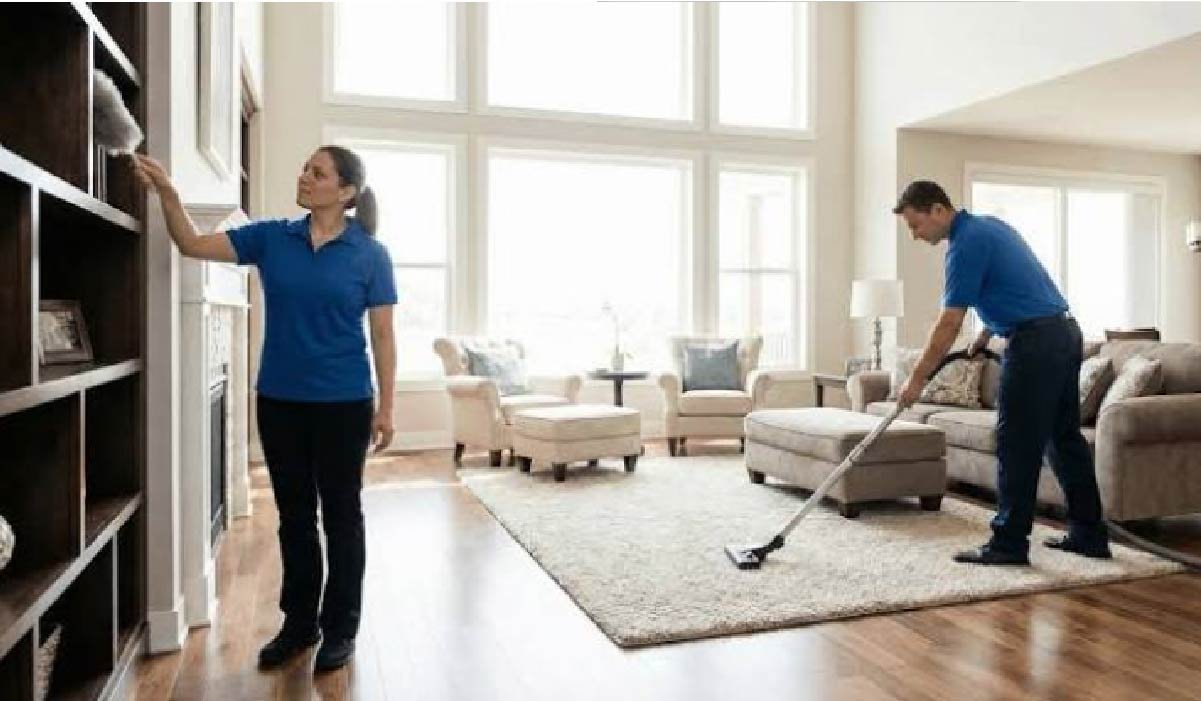
Saturday mornings used to mean scrubbing floors, wiping down counters, and wrestling with a vacuum that never quite reaches under the couch. For a growing number of households, that routine is disappearing — and it’s not because people suddenly stopped caring about a clean home. It’s because they found a smarter way to get one.
Across busy neighborhoods and apartment complexes alike, families are rethinking how they spend their limited free time. Instead of trading Saturday mornings for scrubbing bathrooms, they’re handing that task to professionals and reclaiming hours they didn’t know they could get back. This shift isn’t about laziness. It’s about priorities, and increasingly, those priorities point toward time spent with family, hobbies, or simply doing nothing at all.
This post looks at why outsourcing house cleaning has become such a popular decision, what it actually changes in a household’s day-to-day life, and how a dedicated cleaning service fits into that picture.
The Real Cost of DIY Cleaning
Most people underestimate how much time cleaning actually takes. A thorough clean of a standard three-bedroom home — vacuuming, dusting, bathrooms, kitchen, floors — often eats up three to five hours. Multiply that by every week, and you’re looking at over 150 hours a year spent on chores that, frankly, nobody enjoys doing.
There’s also the mental toll. Cleaning tends to sit on a never-ending to-do list, nagging at the back of the mind even when it’s not being done. That low-grade stress adds up, especially for households juggling work, kids, and everything in between.
When you factor in the cost of cleaning supplies, equipment maintenance, and the physical strain of scrubbing and bending, the “free” option of cleaning your own home starts to look a lot less free.
What Changes When You Stop Doing It Yourself
Handing off cleaning duties doesn’t just mean a tidier house. It changes the rhythm of the week.
Parents get to spend Saturday mornings at the park instead of behind a mop. Couples get an extra date night instead of splitting chores after work. People living alone get to actually enjoy their downtime instead of feeling guilty about the dust on the bookshelf.
There’s also a noticeable shift in how people feel about their own space. A home that’s consistently clean — not just tidied up before guests arrive — tends to feel calmer and more livable. Clutter and grime have a way of adding to background stress, even when we don’t consciously notice it. Removing that stressor, on a regular basis, has a ripple effect on mood and focus.
Professional Cleaning vs. Doing It Yourself
It’s worth being honest about the comparison. DIY cleaning has one clear advantage: it’s free, assuming your time has no value attached to it. But professional cleaning wins on nearly every other front.
Trained cleaners know which products work on which surfaces, how to tackle buildup that’s been ignored for months, and how to clean efficiently without missing spots that get overlooked in a rushed weekday wipe-down. They bring commercial-grade equipment that handles deep carpet cleaning or grout scrubbing far better than a store-bought vacuum ever could.
Choose professional cleaning if consistency and thoroughness matter more than saving a weekly expense. Choose DIY if your schedule is flexible and cleaning genuinely doesn’t bother you. For most working households, the math tips heavily toward outsourcing.
Why This Shift Is Becoming the Norm
Recurring home services, from meal kits to grocery delivery, have trained people to expect convenience without compromising quality. Cleaning services are following the same trajectory. What once felt like a luxury reserved for busy executives is now a mainstream decision for dual-income households, new parents, remote workers, and retirees alike.
Flexible scheduling has played a big role here too. Services that once required rigid weekly contracts now offer one-time cleans, biweekly visits, or move-in and move-out packages. That flexibility makes it easier for people to test the idea without committing to a long-term plan.
Finding a Cleaning Partner You Can Trust
A reliably spotless home without sacrificing your weekend plans is exactly what Sunday Cleaners was built to deliver. Rather than treating cleaning as a one-size-fits-all checklist, the team tailors each visit to the home and the people living in it — whether that means focusing extra attention on a kitchen that sees daily cooking or prioritizing allergen-friendly products for a household with pets.
Booking is straightforward, pricing is transparent, and every cleaner is vetted and trained before setting foot in a client’s home. For anyone tired of spending free time on chores that never quite feel finished, this kind of service offers a practical alternative — one that gives hours back without giving up on a clean, comfortable living space.
The bigger shift here isn’t just about cleaner floors. It’s about rethinking how time gets spent, and deciding that some tasks are worth handing off so the things that actually matter get more room to breathe.
Frequently Asked Questions
How often should I book a professional cleaning service?
Most households find that a biweekly cleaning schedule strikes the right balance between upkeep and cost, though homes with pets, kids, or high foot traffic often benefit from weekly visits.
Is professional cleaning worth it for a small apartment?
Yes. Even smaller spaces accumulate dust, grime, and clutter quickly, and a professional clean often takes less time and costs less than expected for compact layouts.
What should I do before the cleaners arrive?
A quick declutter of personal items, like clothes or dishes, helps cleaners focus their time on actual cleaning rather than organizing, resulting in a more thorough visit.
Can I request specific areas of focus during a clean?
Absolutely. Most services, including custom bookings, allow clients to flag priority areas such as bathrooms, kitchens, or specific rooms that need extra attention.
