

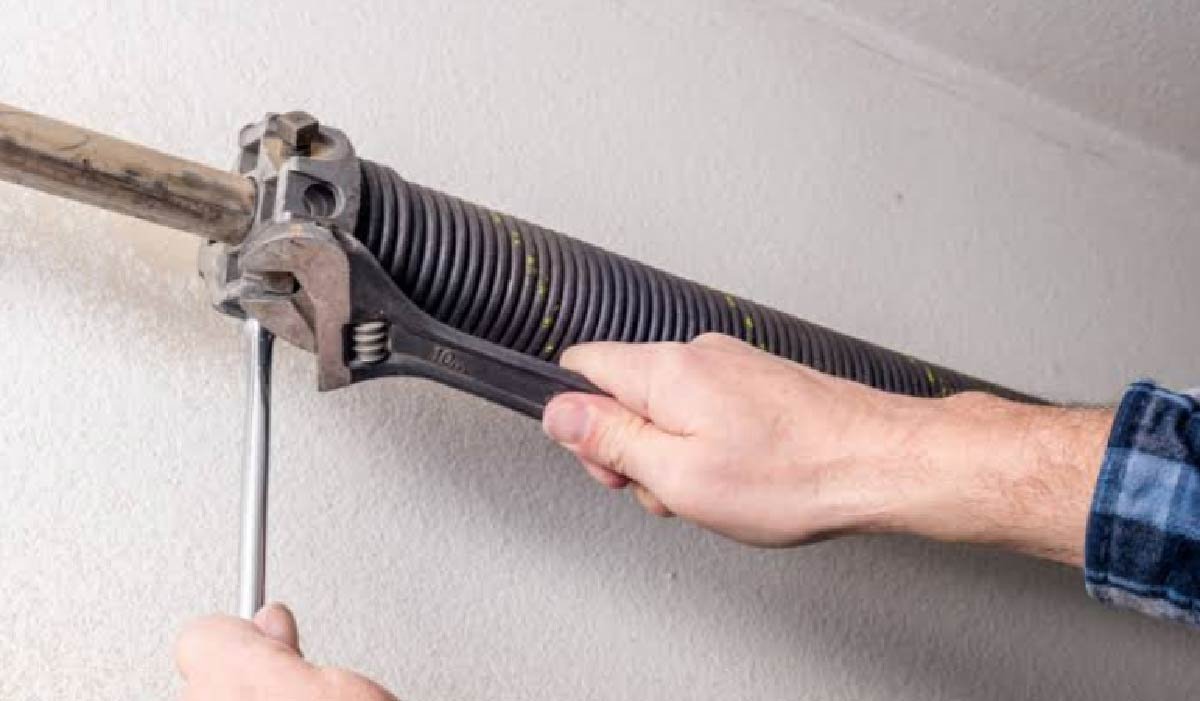
Your garage door relies on more muscle than most homeowners realize, and most of that muscle comes from two tightly wound metal springs. These springs carry the full weight of the door, lifting and lowering it hundreds of times a year without complaint. But springs aren’t built to last forever. Eventually, metal fatigue catches up, and when it does, the results can range from a mildly annoying inconvenience to a genuinely dangerous situation.
If you’ve noticed your garage door acting strangely lately, slamming shut, refusing to budge, or making a sound like a gunshot, there’s a good chance a spring is to blame. In this post, we’ll walk through why garage door springs fail, how to spot the warning signs before they become emergencies, and why calling in a professional team like ProStar Garage Doors is always the smarter move over attempting a DIY fix.
What Causes a Garage Door Spring to Break?
Garage door springs are engineered to handle a specific number of open-and-close cycles, typically somewhere between 10,000 and 15,000, depending on the quality of the spring and how well it’s maintained. For an average household opening the garage door a few times a day, that lifespan translates to roughly seven to nine years.
Several factors can shorten that timeline considerably:
- Rust and corrosion: Moisture buildup, especially in humid climates or coastal areas, weakens the metal coils over time.
- Lack of lubrication: Dry springs experience more friction, which accelerates wear and increases the likelihood of snapping.
- Incorrect spring size: A spring that’s too small for the weight of your door will wear out far faster than one properly matched to your setup.
- Extreme temperature swings: Metal expands and contracts with temperature changes, and repeated cycles of heat and cold can introduce microscopic cracks.
- Simple age: Even with perfect maintenance, every spring has a finite number of cycles before metal fatigue sets in.
Understanding the cause behind a spring failure helps homeowners make smarter decisions about maintenance and replacement, rather than just reacting when something finally gives out.
Signs Your Garage Door Spring Needs Attention
A spring rarely breaks without warning. Most homeowners notice small clues in the weeks or days leading up to a full failure. Catching these signs early can mean the difference between a routine repair and an emergency call.
Watch for the following:
- A loud bang coming from the garage. This is often the sound of a spring actually snapping, and it’s hard to miss.
- The door feels unusually heavy. If you’re using the manual release and the door suddenly feels like deadweight, a spring may already be compromised.
- Visible gaps in the coils. A healthy spring should look wound uniformly, without separation between coils.
- The door opens unevenly or crookedly. One side lifting faster than the other usually points to one spring doing more work than it should.
- Slow or jerky movement. Springs that are losing tension often cause the opener motor to strain, resulting in stuttering motion.
Ignoring these symptoms rarely makes them go away. More often, it just increases the chances of the spring failing at the worst possible moment, like when you’re rushing out the door for work.
Why You Shouldn’t Attempt a DIY Spring Replacement
It’s tempting to treat a broken spring like any other home repair project. Plenty of tutorials online make it look simple enough: unscrew, swap, done. But garage door springs are under an enormous amount of tension, often hundreds of pounds’ worth, and that tension doesn’t disappear just because the spring has failed.
Handling a wound or partially wound spring without the right tools and training can result in serious injury. Winding bars, vice grips, and an understanding of torque are non-negotiable, and even experienced DIYers have ended up in the emergency room attempting this repair. Beyond the safety risk, getting the spring size or tension wrong can damage your garage door opener, misalign the door track, or cause the door to come crashing down unexpectedly.
This is one home repair where the cost savings of doing it yourself rarely outweigh the risk involved.
Trust ProStar Garage Doors for Fast, Reliable Spring Repairs
A broken spring doesn’t have to mean a broken routine when ProStar Garage Doors is just a phone call away. Our licensed technicians arrive equipped with the right tools, correctly sized replacement springs, and the hands-on experience to get your garage door back in safe working order, often within the same day. We don’t believe in cutting corners or pushing unnecessary upsells. Instead, we assess the actual condition of your door, replace what needs replacing, and make sure everything is balanced and tested before we leave your driveway.
Homeowners choose ProStar Garage Doors because we treat every job, whether it’s a single snapped spring or a full system overhaul, with the same level of care and attention to detail. Our team understands how disruptive a malfunctioning garage door can be to your daily routine, and we work efficiently without sacrificing quality.
Don’t Wait for a Full Breakdown
A garage door spring rarely fails without giving you some warning first. Paying attention to unusual noises, uneven movement, or a door that suddenly feels heavier than usual can save you from a much bigger headache down the road. And when that spring does finally give out, the smartest move is to leave the repair to professionals who understand the mechanics and the risks involved.
Reach out to ProStar Garage Doors today to schedule an inspection or repair. Our team is ready to help you get your garage door running smoothly and safely again, so you can stop worrying about it and get back to your day.
