

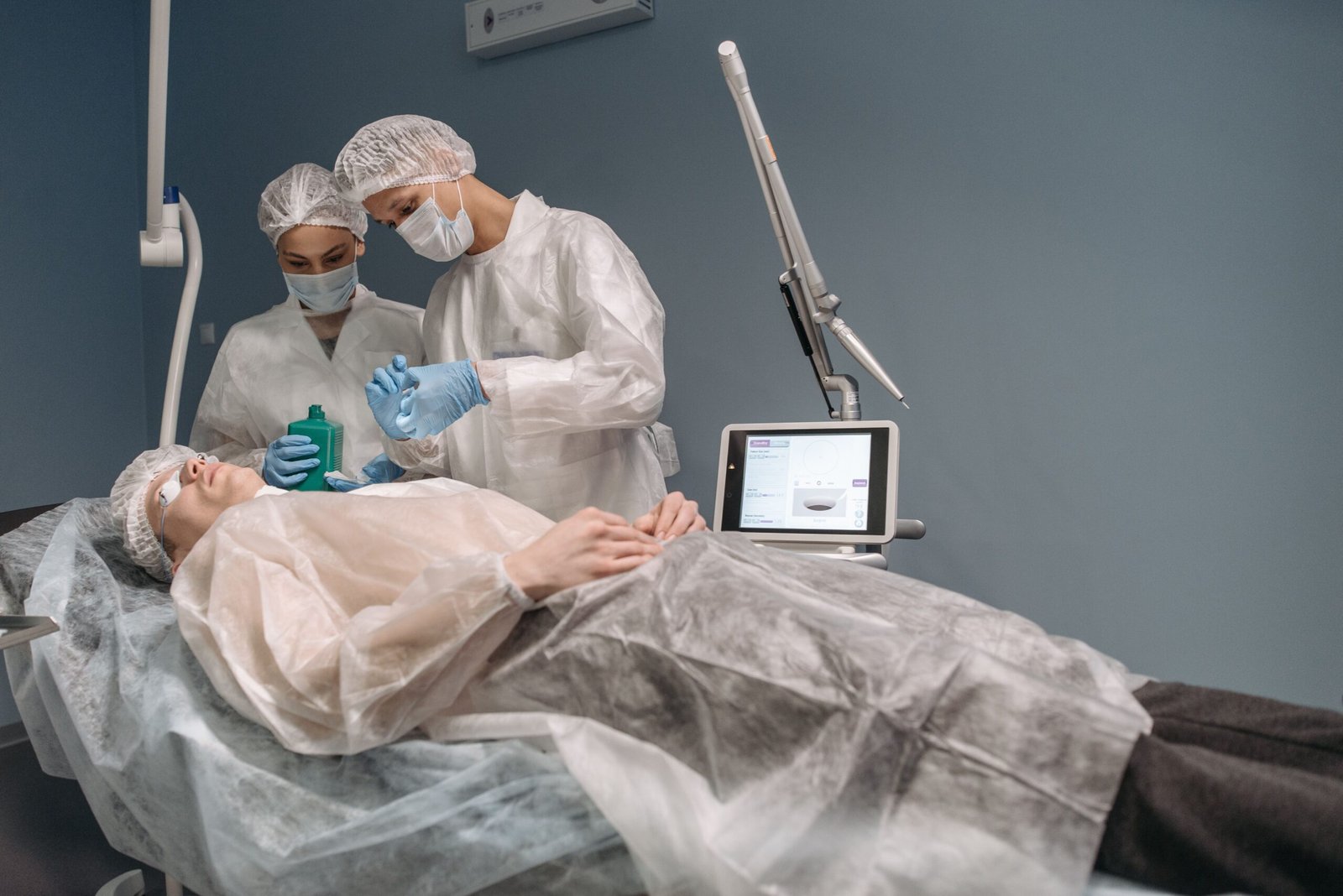
Making decisions about your appearance can be personal, and it is natural to want to understand your options before taking the next step. For anyone considering cosmetic surgery in Surrey, BC, making an informed decision involves more than choosing a procedure or imagining the results. It means understanding the medical risks, the surgeon’s qualifications, the recovery process, and the financial commitment. Whether you are considering a minor change or a more involved operation, asking the right questions can help you set realistic expectations and make a decision based on reliable information rather than advertising or social media.
Start With the Surgeon, Not the Procedure
Many people begin their research by searching for rhinoplasty, breast augmentation, eyelid surgery, or another specific procedure. A better starting point is understanding who would perform the operation and what qualifications they hold.
Cosmetic surgery is medical care, involving potential complications, anesthesia, incisions, and follow-up appointments. Look for relevant specialist training, appropriate certification, hospital privileges where applicable, and experience with the procedure you are considering.
If you’re looking for a plastic surgeon Surrey, BC, has several options to consider. The key is to look beyond convenience and choose a qualified professional whose experience, approach, and safety standards align with your needs. Ask how frequently they perform the procedure and whether they can explain its potential benefits, limitations, and risks in terms you understand.
A responsible surgeon will not promise perfection. Instead, they will discuss realistic improvements, individual anatomical differences, possible scarring, healing timelines, and the circumstances in which surgery may not be appropriate.
Separate Personal Goals From Cosmetic Trends
Beauty trends change constantly. Social media may promote particular facial proportions, body shapes, or dramatic transformations, but a popular look is not necessarily the right choice for every person.
Begin by identifying the concern you want to address. Perhaps you are bothered by a nasal profile, excess abdominal skin, or upper eyelids that make you appear tired. Being specific helps you communicate your goals and understand which changes may realistically be possible.
Reference photographs can help explain your preferences, but they should not become rigid templates. Every person’s anatomy, skin quality, proportions, and healing response differ. A surgeon should explain how these factors affect the likely outcome.
It is also worth considering your motivation. Are you pursuing a change you have wanted for some time, or reacting to criticism, pressure, or a temporary trend? Taking time to reflect can help you distinguish a considered personal decision from an impulsive one.
Make the Consultation Count
A consultation should be a detailed discussion, not a rushed sales appointment. Your surgeon should review your medical history, medications, allergies, previous operations, nicotine use, and any factors that could affect anesthesia or healing.
Ask about the proposed technique, incision placement, expected results, alternatives, and possible complications. Find out who will administer anesthesia, where the procedure will take place, and what safety arrangements are available if complications occur.
You should also understand the follow-up process. Who will answer questions outside normal office hours? How many appointments are included? What happens if healing takes longer than expected or you are concerned about the result?
The Canadian Society of Plastic Surgeons’ guidance on choosing a plastic surgeon provides further points to consider when checking qualifications, experience, and patient safety.
Do not feel obliged to book immediately. If answers are unclear, you feel pressured, or important risks are minimized, take more time or seek another professional opinion.
Plan for Recovery Before Booking
Recovery can affect daily life long after the operation itself has finished. Swelling, bruising, discomfort, restricted movement, and follow-up visits may interfere with work, exercise, caregiving, and ordinary household tasks.
Before scheduling surgery, ask for a realistic recovery timeline specific to your procedure and circumstances. Find out when you can drive, return to work, resume exercise, and manage routine activities safely.
Arrange transportation if sedation or anesthesia means you cannot drive afterward. Depending on the procedure, you may also need someone to help at home during the initial recovery period.
Prepare your living space in advance. Organize meals, medications, comfortable clothing, and anything you may need within easy reach. If you have children or other caregiving responsibilities, arrange reliable support rather than assuming you will be able to maintain your usual routine.
Follow your surgical team’s instructions and contact them if symptoms concern you. Do not use another patient’s recovery experience as a substitute for individualized medical advice.
Understand the Complete Cost
Price comparisons are useful only when you know what each estimate includes. One quote may cover the surgeon’s fee, anesthesia, operating facility, and standard follow-up care. Another may exclude several of these expenses.
Request an itemized estimate and ask whether medications, garments, laboratory tests, additional appointments, and potential revision procedures cost extra. You should also understand the clinic’s policy if surgery is postponed or complications require further treatment.
Consider indirect expenses, too. Time away from work, transportation, household assistance, and recovery supplies can increase the total cost.
If financing is involved, calculate the full repayment amount rather than focusing only on the monthly payment. Cosmetic surgery is generally an elective expense, so it is worth considering whether the cost fits your financial circumstances without creating pressure elsewhere.
Interpret Before-and-After Photos Carefully
Before-and-after photographs can help you understand a surgeon’s work, but they cannot guarantee your results. Lighting, camera angles, posture, image selection, and the stage of healing can change how photographs appear.
Ask to see examples involving the same procedure and, where possible, patients with characteristics comparable to yours. Find out how long after surgery the photographs were taken and whether the results required additional procedures.
Use reference images to communicate preferences, not to demand an identical outcome. Your surgeon should explain what is achievable with your anatomy and where the limitations lie.
Be cautious about dramatic online transformations that provide little information about the practitioner, procedure, recovery, or risks. Attractive images alone are not evidence of appropriate qualifications or safe care.
Think Beyond the Initial Result
A decision that feels right before surgery should still make sense once the excitement of booking has passed. Consider how the procedure may fit your lifestyle, priorities, and expectations over time.
Some results change with aging, weight fluctuations, or other natural processes. Certain procedures may require future treatment, while complications or dissatisfaction can lead to additional costs and recovery time.
Ask yourself whether you understand these possibilities and feel comfortable accepting them. If you are uncertain, postponing the decision is reasonable. Cosmetic surgery is rarely something that requires an immediate commitment.
Make an Informed Decision
The best decisions come from careful research, honest conversations, and realistic expectations. Verify the surgeon’s credentials, understand the risks, compare the complete costs, and make sure the recovery plan fits your circumstances.
Cosmetic surgery may be appropriate for some people, but it is not a guarantee of happiness or a substitute for addressing every concern about appearance. Give yourself enough time to weigh the potential benefits against the risks and practical demands.
You should feel informed, respected, and free to ask questions throughout the process. If those conditions are missing, take a step back before proceeding. Your health, safety, and confidence in the decision matter more than booking quickly.
