

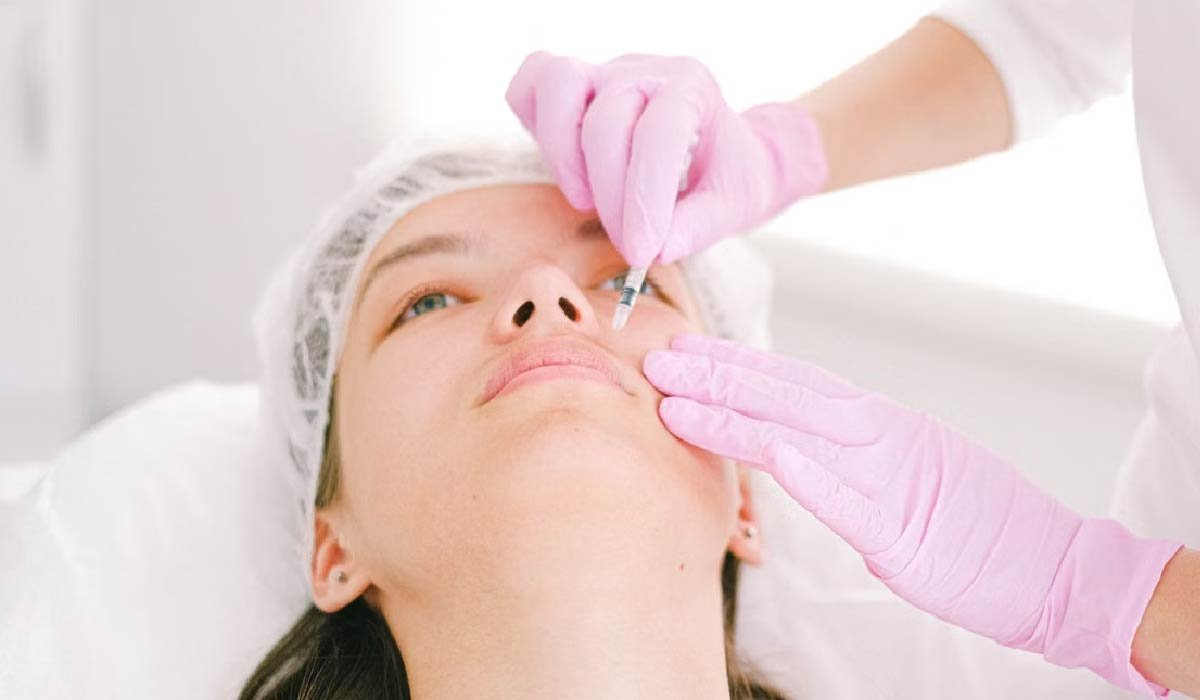
If you’ve ever looked in the mirror and felt like your skin, texture, or overall look seemed a little off, you’re not alone. In Cleveland, where cold winters, dry indoor heat, and changing seasons can be rough on your skin, med spas have become a practical option for people who want more than a basic facial. You’re not just paying for pampering. You’re stepping into a space where aesthetics, skin science, and long-term planning come together.
You’re not booking a regular spa day
A med spa sits in a space between a traditional day spa and a dermatology office. You still get a calming environment, but the treatments usually involve medical-grade products, licensed providers, and technology designed for measurable results.
That difference matters when you’re dealing with acne scarring, pigmentation, rosacea, or early signs of aging. A standard facial may leave you glowing for a day or two. A med spa approach is built around treatment protocols, skin assessment, and repeatable outcomes.
If you’re considering going to a med spa Cleveland has local options like Wellness Center Cleveland, where you can explore personalized aesthetic and wellness treatments designed to address your individual concerns and help you achieve your desired results with professional guidance.
Your skin concerns usually need a strategy, not a single treatment
A lot of people walk into aesthetic spaces wanting one quick fix. Most of the time, your skin doesn’t work that way. Hyperpigmentation may connect to sun exposure, inflammation, or hormones. Breakouts may involve oil production, dead skin buildup, and barrier damage all at once.
That’s where a med spa can be useful. Instead of handing you a one-size-fits-all service menu, the better providers look at your skin history, current products, lifestyle patterns, and treatment tolerance. Then they map out a progression.
You might start with a chemical peel, then move to microneedling, then adjust home care to support collagen remodeling and recovery. That sequence often gets better results than randomly trying trending treatments from social media. Your skin responds better when each step has a clinical reason behind it.
The best results often come from realistic expectations
One of the smartest things you can do before booking anything is to stop expecting an overnight transformation. Even strong treatments work on biological timelines. Collagen synthesis, epidermal turnover, and pigment correction take time.
That may sound less exciting than dramatic before-and-after photos, but it protects you from wasting money. If you’re treating fine lines or laxity, you may notice gradual improvement over several weeks rather than instant change. If you’re addressing acne scars, you may need a series instead of one appointment.
A trustworthy provider should explain downtime, contraindications, maintenance, and likely outcomes without overselling. You want precision, not hype. Real aesthetic medicine involves calibration: how strong a treatment should be, how often you can tolerate it, and what your skin can realistically achieve based on age, tone, and baseline condition.
Cleveland’s climate changes what your skin needs
Where you live affects your skin more than many people realize. Cleveland winters can strip moisture fast. Wind exposure, low humidity, and indoor heating often weaken your barrier function, which can lead to flaking, redness, tightness, and increased sensitivity.
Then summer brings UV exposure, sweat, and more visible pigmentation issues. That seasonal shift changes how treatments should be timed. For example, aggressive resurfacing during periods of heavy sun exposure may not be ideal for everyone, especially if post-inflammatory hyperpigmentation is a concern.
A local provider who understands those patterns can help you schedule treatments more intelligently. You may need hydration-focused care and barrier repair in winter, then pigment management and SPF discipline in warmer months. Good treatment planning isn’t just about your face. It’s about your environment, habits, and recovery window too.
Popular treatments make sense only when they match your goals
It’s easy to get distracted by treatment names. Botox, dermal fillers, laser services, microneedling, HydraFacial, PRP, and chemical peels all sound familiar now, but they don’t solve the same problems.
Neuromodulators target dynamic wrinkles caused by muscle movement. Fillers restore volume or contour. Microneedling supports collagen induction and texture improvement. Chemical peels help with dullness, acne, and uneven pigment depending on their strength and formulation.
You’ll get more value by starting with your actual goal. Do you want fewer breakouts? Softer acne scars? A tighter jawline? Better skin tone before an event? Once that’s clear, the treatment choice becomes more logical.
That also helps you avoid over-treatment. More procedures don’t automatically mean better results. A smart plan usually has restraint built in, especially when your skin barrier, budget, and downtime tolerance are part of the conversation.
Safety should matter more to you than aesthetics branding
A polished Instagram page doesn’t tell you whether a provider understands complications, sanitation, contraindications, or skin-of-color considerations. In a med spa setting, safety isn’t a side note. It’s the foundation.
Before booking, look at who performs the treatment, what their licensure covers, how consultations are handled, and whether there’s a medical director involved where required. Ask about patch testing when relevant, post-care instructions, and what happens if your skin reacts poorly.
You should also pay attention to whether the provider listens. If someone pushes injectables or resurfacing without fully reviewing your history, current medications, or recent treatments, that’s a problem.
Good aesthetic care is not casual. It involves anatomy knowledge, sterile technique, calibrated settings, and a clear understanding of risk. You want someone focused on outcomes and complication prevention, not just fast bookings.
The consultation can tell you almost everything
A proper consultation often reveals whether you’ve found the right place. You should leave with more clarity than you had going in. That includes what can be improved, what may take longer, what may not be worth doing, and what maintenance could look like.
Pay attention to how specific the conversation gets. Are they discussing Fitzpatrick skin type, sensitivity, inflammation triggers, scarring depth, or treatment sequencing? Or are they speaking in vague promises? Specificity usually signals competence.
This is also your chance to ask practical questions. How many sessions are typical? What’s the downtime? Will you peel, purge, bruise, or need to pause active skincare? Can makeup be worn the next day? Those details affect whether a treatment fits your real life.
When a provider combines clinical knowledge with honesty, you’re more likely to get results that look polished rather than obvious.
