

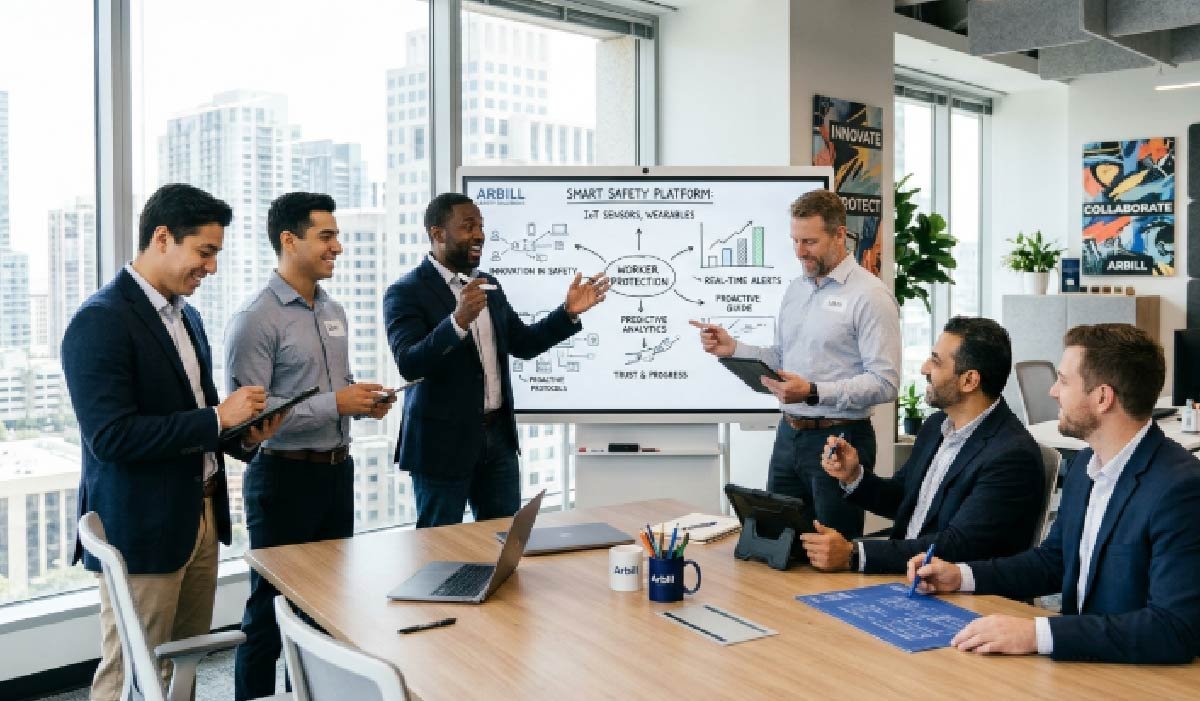
Workplace safety isn’t a checkbox. It’s a daily commitment that shapes how employees show up, how productive a team can be, and how much trust a company earns from the people who keep its operations running. For organizations trying to strengthen that commitment, finding a partner who understands both the practical and human sides of safety can make all the difference.
That’s where Arbill comes in. For decades, this family-owned company has helped businesses across industries move beyond compliance and build safety cultures that actually stick. Rather than treating safety as a one-time purchase or an annual training session, Arbill positions itself as an ongoing partner — someone who shows up before an incident happens, not just after.
This post explores what sets Arbill apart, the kinds of challenges it helps solve, and why so many safety managers consider it a trusted name in their corner.
What Does Arbill Actually Do?
At its core, Arbill provides personal protective equipment (PPE), safety supplies, and consulting services designed to reduce workplace incidents and improve compliance. But the company’s approach goes further than simply shipping gloves and hard hats.
Arbill works directly with safety managers to understand the specific risks their teams face — whether that’s chemical exposure in a manufacturing plant, fall hazards on a construction site, or repetitive strain injuries in a warehouse. From there, the company helps identify the right combination of equipment, training, and ongoing support to address those risks head-on.
This consultative approach means businesses aren’t just buying products off a shelf. They’re working with a team that treats safety as a shared responsibility, not a transaction.
Why Workplace Safety Programs Often Fall Short
Many organizations invest heavily in safety equipment, only to see incident rates stay flat or even increase over time. The problem usually isn’t a lack of effort — it’s a lack of integration. PPE gets distributed without proper training. Policies get written but never reinforced. Safety becomes something employees are told to follow, rather than something they understand and believe in.
A strong safety culture depends on consistency. Equipment needs to fit properly and feel comfortable enough that employees actually wear it. Training needs to be relevant to the specific hazards a team faces, not generic content pulled from a template. And leadership needs to model the behaviors they expect from everyone else.
This is where many companies get stuck — not from a lack of good intentions, but from not having a clear, practical framework to pull everything together.
How Arbill Supports a Culture of Safety
Creating a workplace where employees feel genuinely protected and empowered to speak up about hazards starts with a partner like Arbill, whose services are built around this exact goal. Rather than offering a one-size-fits-all solution, the company tailors its recommendations to the realities of each worksite.
A few of the ways Arbill supports businesses include:
- PPE selection and fitting: Helping teams choose equipment that matches the specific hazards they face, while also prioritizing comfort so employees are more likely to wear it consistently.
- Safety training programs: Delivering education that goes beyond regulatory checkboxes, helping employees understand why certain practices matter and how to apply them in real situations.
- On-site assessments: Evaluating a facility’s current safety practices to identify gaps before they lead to incidents.
- Ongoing consultation: Acting as a long-term resource rather than a single point of contact, so safety programs can evolve as a business grows or regulations change.
This combination of product expertise and hands-on guidance is part of why so many safety managers describe their relationship with Arbill as a partnership rather than a vendor arrangement.
The Business Case for Investing in Workplace Safety
Beyond the clear ethical responsibility to protect employees, there’s a strong business argument for prioritizing safety. Fewer incidents typically mean less downtime, lower workers’ compensation costs, and stronger employee morale. Teams that feel genuinely protected tend to be more engaged and more likely to stay with a company long-term.
Safety also plays a growing role in how businesses are perceived by clients, partners, and prospective employees. Organizations with strong safety records often have an easier time winning contracts, especially in industries like construction and manufacturing where safety performance is closely scrutinized.
For companies trying to build this kind of reputation, working with an experienced partner can shorten the learning curve considerably. Instead of piecing together a safety program through trial and error, businesses can lean on established expertise to get it right from the start.
Choosing the Right Safety Partner for Your Business
Not every organization needs the same level of support. A small warehouse with a handful of employees has different needs than a multi-site manufacturing operation with thousands of workers across different regulatory environments. The right safety partner should be able to scale its approach accordingly.
Businesses evaluating a safety partner should look for a few key qualities: industry-specific experience, a willingness to conduct on-site assessments rather than relying solely on catalog sales, and a track record of ongoing support rather than one-time transactions. Companies that check all three boxes tend to be better equipped to help teams build safety programs that actually hold up over time.
Building a Safer Future, One Workplace at a Time
Workplace safety is never truly “finished.” It’s an ongoing process that requires attention, adaptation, and the right support system. Businesses that treat it this way — rather than as a box to check — tend to see the strongest results, both in reduced incidents and in the trust they build with their workforce.
For organizations ready to take a more intentional approach to safety, partnering with a company that understands both the equipment and the culture behind it can make the process far more manageable. The right support doesn’t just supply gear — it helps build the habits and systems that keep employees protected for the long haul.
