

Homeowners replacing an aging roof face a familiar dilemma: stick with traditional asphalt shingles or invest in something built to last decades longer. More and more property owners are choosing metal, and for good reason. A quality metal roof can outlive several generations of shingle replacements while protecting a home from the elements with far less maintenance.
This shift in preference isn’t just a passing trend. Metal roofing has earned its reputation through decades of proven performance in extreme weather, from scorching summers to heavy snowfall. It reflects solar heat, resists fire, and shrugs off wind gusts that would tear apart lesser materials. For homeowners thinking long-term, metal roofing offers a combination of durability, energy efficiency, and curb appeal that’s hard to match.
If you’re weighing your roofing options, this post walks through what makes metal roofing such a smart investment, what to expect during installation, and how to find a contractor who will do the job right.
What Makes Metal Roofing a Durable Investment?
Metal roofs are engineered to withstand decades of exposure to sun, rain, wind, and snow. Unlike asphalt shingles, which typically need replacing every 15 to 20 years, a properly installed metal roof can last 40 to 70 years depending on the material used.
This longevity comes down to the inherent strength of the materials. Steel, aluminum, and copper panels resist cracking, warping, and rotting in ways that organic materials simply can’t. They also shed snow and ice more effectively, reducing the risk of ice dams that can damage a home’s structure over time.
Beyond raw durability, metal roofing holds up remarkably well against severe weather events. Many metal roofing systems carry high wind ratings and can withstand hailstorms that would dent or crack shingles. For homeowners in regions prone to storms, this resilience translates into fewer repairs and less worry during severe weather seasons.
How Does Metal Roofing Improve Energy Efficiency?
One of the most overlooked benefits of metal roofing is its impact on household energy costs. Metal naturally reflects solar radiant heat rather than absorbing it, which keeps attics and living spaces cooler during warmer months. This reflective quality can meaningfully reduce the workload on air conditioning systems.
In colder climates, metal roofing paired with proper insulation also helps retain heat more effectively than traditional shingles. The result is a home that stays comfortable year-round while placing less strain on heating and cooling systems. Over time, these efficiency gains can add up to real savings for homeowners.
What Should You Expect During a Metal Roof Installation?
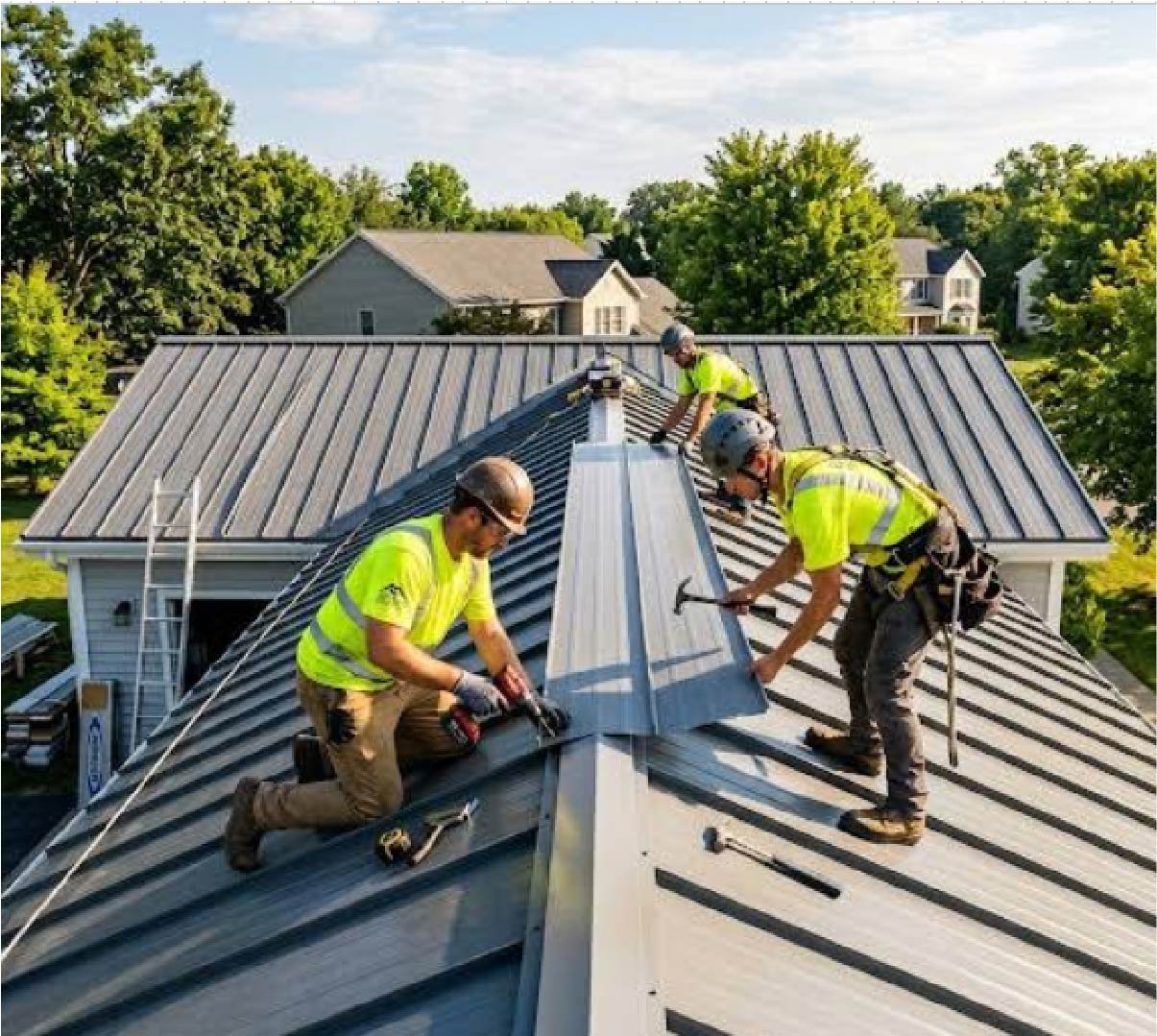
Installing a metal roof is a precise process that differs significantly from laying down asphalt shingles. It requires specialized tools, techniques, and an understanding of how different metal panel systems interlock and expand with temperature changes.
The process typically begins with a thorough inspection of the existing roof structure to confirm it can support the new system and to identify any underlying issues that need addressing first. From there, underlayment is installed to provide an additional moisture barrier, followed by the careful placement and fastening of metal panels or shingles.
Proper flashing around chimneys, vents, and valleys is critical to prevent leaks, as is ensuring panels are aligned correctly for both appearance and function. Because of these technical demands, installation quality depends heavily on the experience and attention to detail of the roofing crew doing the work.
How Long Does a Metal Roof Installation Typically Take?
Installation timelines vary based on the size of the home, the complexity of the roofline, and the type of metal system chosen. A straightforward residential installation might take just a few days, while larger or more architecturally complex roofs can take longer.
Weather conditions also play a role in scheduling, since metal panels should ideally be installed in dry conditions to avoid complications with sealants and fasteners. Homeowners should expect their roofing contractor to provide a realistic timeline upfront, along with a clear explanation of what each phase of the project involves.
Why Does Choosing the Right Roofing Contractor Matter So Much?
A metal roof is only as good as its installation. Even the highest-quality materials can underperform if panels are misaligned, fasteners are improperly placed, or flashing details are overlooked. This is why selecting an experienced, reputable contractor matters just as much as choosing the right roofing material.
A skilled contractor will take time to assess the specific needs of a home, recommend the right type of metal system for the local climate, and ensure every detail of the installation meets manufacturer specifications. They’ll also stand behind their work with warranties that give homeowners peace of mind long after the project is finished.
Offering decades of reliability with minimal upkeep for homeowners seeking lasting protection, Perfection Metal Roofing INC brings the technical expertise and attention to detail that metal roofing installations demand. From the initial assessment through final inspection, the team focuses on precision work that ensures every panel, seam, and flashing detail is installed to last.
Is Metal Roofing Worth the Investment?
When weighing the upfront cost of a metal roof against its lifespan, energy savings, and reduced maintenance needs, the value becomes clear. Homeowners who choose metal roofing are often trading a higher initial investment for decades of reliability and fewer unexpected expenses down the road.
For anyone considering a roof replacement, metal roofing offers a combination of strength, efficiency, and aesthetic versatility that’s difficult to find elsewhere. Reach out to a trusted roofing professional to discuss which metal roofing system best fits your home’s needs and climate conditions.
Frequently Asked Questions
How much does a metal roof cost compared to asphalt shingles?
Metal roofing typically costs more upfront than asphalt shingles, but its extended lifespan and lower maintenance needs often make it more cost-effective over the long term.
Can a metal roof be installed over an existing roof?
In many cases, yes, metal panels can be installed over an existing roof if the structure is sound, though a professional assessment is needed to confirm this is the right approach for a specific home.
Is metal roofing noisy during rain or hail?
With proper insulation and underlayment, metal roofs are no noisier than traditional roofing materials during storms.
What types of homes are best suited for metal roofing?
Metal roofing works well across a wide range of home styles and climates, particularly for homeowners dealing with extreme heat, heavy snowfall, or high wind conditions.
