

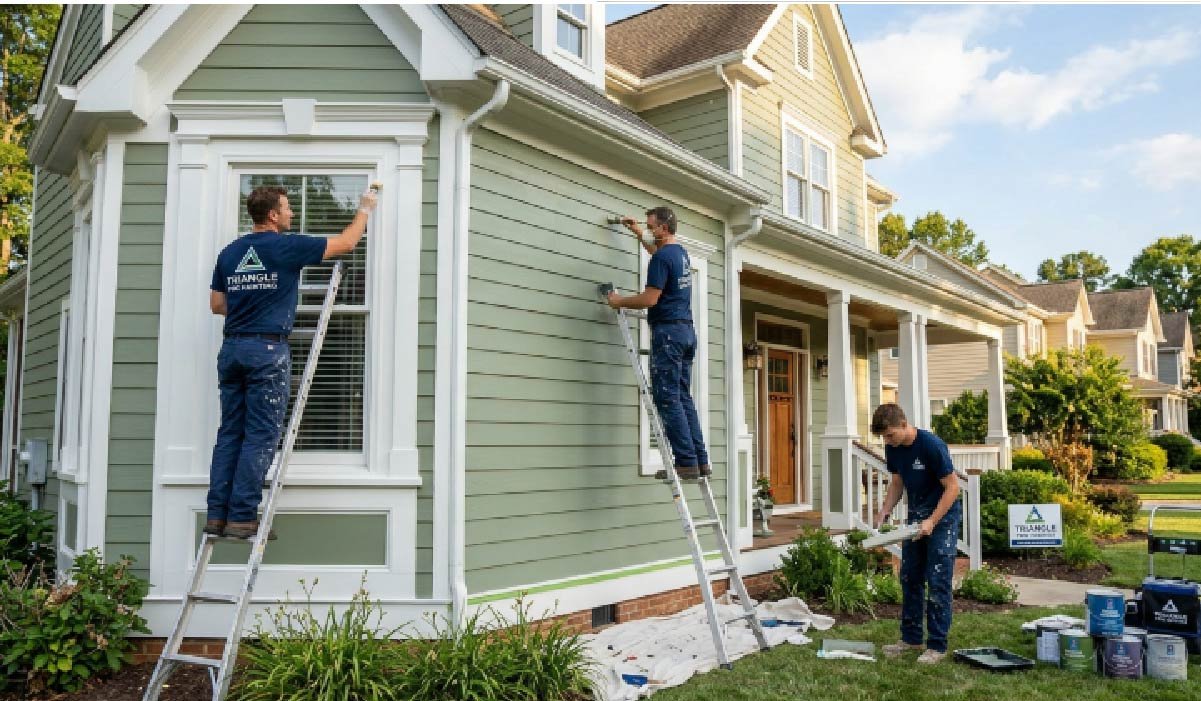
Your home deserves more than a quick coat of paint slapped on by someone in a hurry. It deserves precision, patience, and a team that treats your property like their own. That’s exactly what you get when you work with a painting crew that’s spent years perfecting their craft, one room and one facade at a time.
Painting a home—inside or out—is one of those projects that seems simple until you’re standing in a hardware store staring at 200 shades of white, wondering which one won’t look gray by 3 p.m. It’s a decision that affects how your home feels every single day, and it’s not one to rush. That’s where having a dependable, skilled partner makes all the difference.
This post walks through what sets a quality residential painting service apart, why the details matter more than most homeowners realize, and how the right team can turn a stressful renovation into an exciting transformation.
Why Professional Painting Is an Investment, Not an Expense
A lot of homeowners think of painting as a cosmetic afterthought, something you do right before selling or when the old color finally gets unbearable. But paint does more than make a house look nice. It protects siding from moisture, shields trim from sun damage, and can even improve your home’s energy efficiency depending on the finish and color chosen.
When painting is done poorly, it shows fast. Peeling edges, uneven coverage, and drips along the baseboards aren’t just eyesores. They’re signs of rushed prep work or low-quality materials, and they often mean you’ll be paying for a redo sooner than expected.
Professional painters understand that the real work happens before the brush ever touches the wall. Proper sanding, priming, caulking, and surface cleaning are what separate a paint job that lasts two years from one that lasts ten.
What Does Good Prep Work Actually Involve?
Good prep work typically includes:
- Surface cleaning to remove dust, grease, and mildew that can prevent paint from adhering properly
- Sanding to smooth out old paint ridges, rough patches, and imperfections
- Caulking gaps and seams to keep moisture out and give edges a crisp, finished look
- Priming on bare wood, drywall patches, or stained areas so the topcoat goes on evenly
- Protecting floors, fixtures, and landscaping with drop cloths and masking before a single drop of paint is opened
Skipping any of these steps might save an hour or two on project day, but it almost always costs more down the road in touch-ups and premature wear.
How Color Choice Shapes the Feel of Every Room
Color is deeply personal, and it’s also deeply functional. Warm tones like soft terracotta or honey beige tend to make living rooms and kitchens feel cozy and inviting. Cooler blues and greens often work well in bedrooms and bathrooms, where a calmer atmosphere is the goal. Bold accent walls can energize a home office or add drama to a dining room without overwhelming the whole space.
Exterior color choices carry their own considerations. Neighborhood style, architectural details, and even local climate can all influence which shades hold up best and look most at home on your street. A navy door might look striking in a coastal town but feel out of place in a desert suburb with adobe-style homes.
A skilled painting team doesn’t just apply color. They help homeowners think through undertones, lighting conditions, and how a shade will look at different times of day. What looks perfect on a paint chip under fluorescent store lighting can shift dramatically once it’s on a wall catching afternoon sun.
Interior vs. Exterior: Different Challenges, Same Standard of Care
Interior and exterior painting might use similar tools, but the challenges are different.
Interior projects require careful attention to furniture, trim work, and finishing touches around switches, outlets, and vents. Exterior projects demand weather-resistant materials, careful attention to siding type, and often more extensive prep to deal with sun-faded or weathered surfaces.
Both require the same level of craftsmanship. Cutting clean lines along ceilings and trim takes a steady hand and years of practice, whether you’re working in a sunlit kitchen or on a two-story exterior wall.
What to Look for When Hiring a Painting Service
Not every painting company operates with the same level of care. Before hiring anyone to work on your home, it’s worth asking a few key questions:
- How do they handle prep work? If the answer is vague or rushed, that’s a red flag.
- What kind of paint and materials do they use? Higher-quality paints resist fading, cracking, and staining far better than budget options.
- Do they offer a warranty or guarantee? A company confident in its work will stand behind it.
- Can they show examples of past projects? Photos of completed work tell you a lot about attention to detail and consistency.
- How do they communicate throughout the project? Clear timelines and regular updates make the whole experience far less stressful.
Homeowners who ask these questions upfront tend to end up far happier with the final result, and far less likely to deal with surprises halfway through the job.
Bringing It All Together: Craftsmanship You Can See and Feel
Dependable craftsmanship that transforms a house into a place you’re proud to come home to is exactly what Triangle Pro Painting delivers, backed by a team that treats every project, large or small, with the same level of care and precision. From careful prep work to flawless finishes, the goal is always the same: a paint job that looks beautiful on day one and still looks beautiful years later.
Whether it’s a single accent wall, a full interior refresh, or a complete exterior overhaul, the process starts with listening. Understanding how a homeowner uses their space, what mood they want to create, and what practical concerns matter most (like durability in high-traffic areas or weather resistance on exterior walls) shapes every recommendation along the way.
Painting is one of the few home improvements that delivers an immediate, visible transformation. Few other projects offer that same instant sense of renewal for a comparable investment.
Final Thoughts: Your Home Is Worth the Right Team
A great paint job does more than change a color. It changes how a space feels, how it’s experienced, and how proud you are to show it off. The difference between an average result and an exceptional one almost always comes down to the people doing the work: their attention to detail, their respect for your home, and their commitment to getting every corner, edge, and surface right.
If your home is due for a refresh, take the time to find a team that treats the job with the care it deserves. The right painters won’t just change your walls. They’ll change how your home feels every time you walk through the door.
FAQ
How long does a typical home painting project take?
Most interior rooms can be completed in one to two days, while full exterior projects often take three to five days depending on the size of the home and weather conditions.
How often should a home be repainted?
Interior walls typically need repainting every 5 to 10 years, while exteriors usually require fresh paint every 5 to 8 years, depending on climate and material.
What type of paint finish is best for high-traffic areas?
Satin or eggshell finishes tend to hold up well in hallways, kitchens, and living rooms because they’re easier to clean and more resistant to scuffing than flat finishes.
