

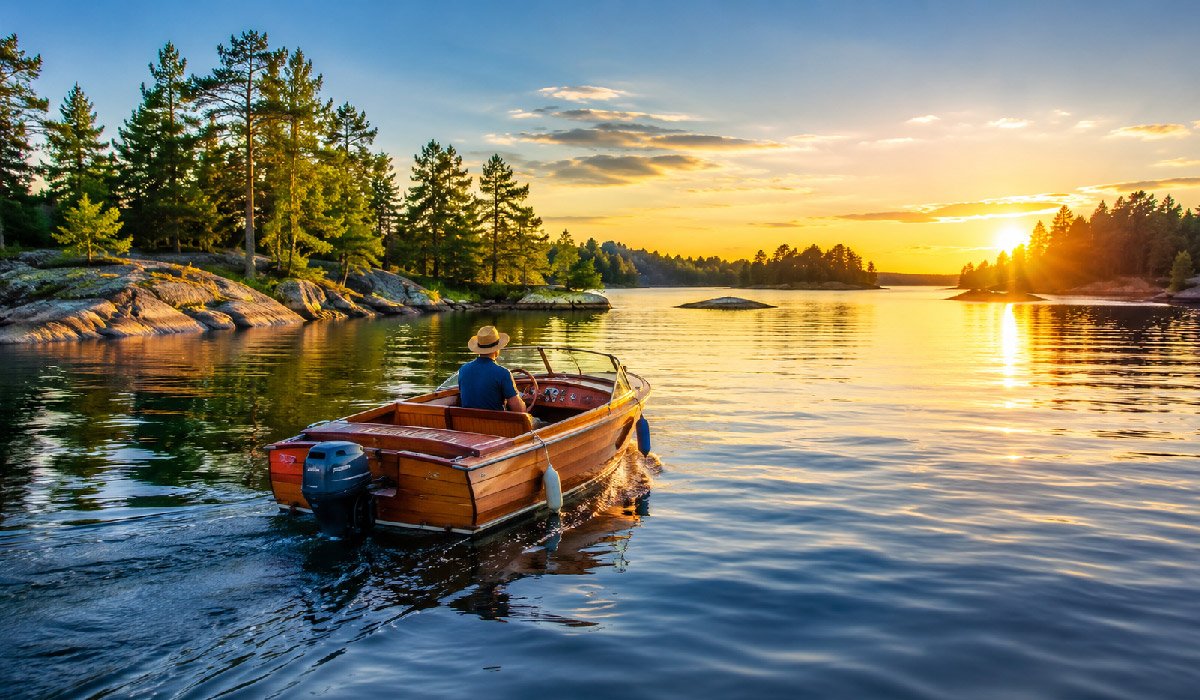
Veneajelu is a Finnish word used for a boat ride or leisurely boating trip. It usually describes time spent on the water for enjoyment, sightseeing, relaxation, or exploring Finland’s beautiful natural surroundings.
The term is especially familiar in Finland because lakes, islands, and coastal waters are an important part of everyday recreation. Summer holidays, cottage visits, fishing trips, and warm evenings often include boating.
This guide explores what veneajelu means, its Finnish language roots, boating traditions, popular destinations, different boat rides, seasonal experiences, safety, nature, cottage culture, and useful tips for planning a trip.
What Is Veneajelu?
Veneajelu is a Finnish compound word connected with recreational boating. Vene means “boat,” while ajelu refers to riding, driving around, or taking a trip mainly for the experience itself.
In everyday use, veneajelu can simply mean going for a boat ride. It does not describe one specific boat, route, destination, or organized activity. The exact experience depends on the situation.
A veneajelu might involve rowing across a peaceful lake, taking a motorboat around nearby islands, or enjoying an evening trip from a summer cottage. The main idea is enjoying time afloat.
Why Is Veneajelu Popular?
Veneajelu is closely connected with Finland’s extraordinary landscape. The country has about 188,000 lakes of at least 500 square metres, along with an extensive Baltic coastline and a vast number of islands.
These surroundings make boating a natural summer activity. People can use boats for fishing, visiting islands, exploring shorelines, sightseeing, or simply spending a quiet evening with family and friends.
For visitors, the word also represents an interesting part of Finnish vocabulary and outdoor culture. Understanding veneajelu makes it easier to understand how strongly recreation in Finland is connected with water.
The Finnish Meaning Behind Veneajelu
Finnish often creates words by joining smaller words together. Veneajelu follows this pattern by combining vene, meaning boat, with ajelu, a word associated with riding or driving around.
The second part is important because ajelu can suggest movement made casually or for pleasure. Therefore, translating veneajelu simply as “boat transportation” can miss the relaxed feeling that the word often carries.
In English, “boat ride,” “leisurely boat ride,” or sometimes “boating trip” provides a natural translation. The exact English wording depends on whether someone is rowing, cruising, sightseeing, or casually exploring waterways.
Is Veneajelu a Misspelling?
Veneajelu may look unusual to people who do not speak Finnish, but it is not simply a random internet spelling. It is formed naturally from established Finnish words and follows Finnish compound-word construction.
Its unfamiliar appearance can cause confusion in international searches. Some readers may assume that it is a brand, location, activity name, or incorrectly typed word because Finnish vocabulary can look very different from English.
The simplest way to understand the term is therefore literal and practical. Veneajelu refers to going for a boat ride, particularly when the journey itself and the experience on the water are important.
Finland’s Strong Relationship With Water
Water is one of the defining features of Finland’s landscape. Lakes cover large areas of the country, while the Baltic coast contains extensive archipelagos filled with islands, rocky shores, bays, and narrow passages.
This geography has influenced travel and recreation for generations. Boats have traditionally supported fishing, local movement, trade, and connections between communities, especially where waterways offered practical routes between settlements and islands.
Today, the practical role of boats continues, but recreational boating is also widespread. A simple veneajelu provides an easy way to experience landscapes that can look completely different when viewed from the water.
How Boating Became Part of Finnish Life
Before modern road networks developed, Finland’s waterways were important transportation routes. Small wooden boats allowed people to cross lakes, reach fishing grounds, transport goods, and maintain connections between communities separated by water.
Rowboats were especially useful on inland lakes. Along coastal areas, larger vessels supported fishing, trade, transportation, and travel between islands. Boatbuilding skills consequently became valuable within many communities living near water.
As transportation systems improved, boating increasingly became recreational as well as practical. Motorboats, sailing boats, tourist cruises, and modern recreational vessels expanded the ways people could enjoy Finland’s waterways during their free time.
Veneajelu and Summer Cottage Culture
One of the best settings for understanding veneajelu is the Finnish summer cottage, commonly called a mökki. Many cottages stand beside lakes, coastal waters, rivers, or other peaceful natural surroundings.
Cottage life often involves simple outdoor activities. Swimming, sauna, fishing, cooking, walking through forests, gathering berries, and spending quiet time near the water can all become part of the summer experience.
A boat ride fits naturally into this lifestyle. People might row before breakfast, go fishing, visit another shoreline, or take an evening veneajelu simply to enjoy calm water and the surrounding landscape.
Different Types of Veneajelu
A veneajelu does not require one particular kind of vessel. Traditional rowboats offer a quiet experience and work especially well on smaller lakes, sheltered waters, and short journeys around summer cottages.
Motorboats make longer trips possible and are useful for exploring larger lakes and archipelagos. Sailing boats provide another experience, using wind to travel through coastal waters and offering opportunities for longer recreational journeys.
Visitors can also choose sightseeing vessels, charter boats, or organized cruises. These options are particularly useful for travelers without boating experience who still want to see Finnish landscapes from the water.
Rowboat Trips on Quiet Lakes
A traditional rowboat offers one of the simplest forms of veneajelu. Without an engine, travelers can move slowly across the water while listening to birds, waves, wind, and other natural sounds.
Rowing is particularly suitable for small lakes and sheltered areas. It can be combined with fishing, photography, wildlife observation, or simply sitting quietly while enjoying forests and cottages along the shoreline.
Because conditions can change, even a short rowboat trip requires sensible preparation. Suitable flotation equipment, awareness of weather conditions, and staying within comfortable distances are important parts of responsible boating.
Motorboat Adventures
Motorboats allow travelers to cover much greater distances. They are commonly used on larger lakes and coastal waters where people may want to reach islands, fishing areas, harbours, cottages, or scenic destinations.
A motorboat veneajelu can range from a short evening ride to a longer day trip. Routes may pass forests, rocky islands, open stretches of water, small communities, and quiet bays.
Operating a powered boat requires more responsibility than simply being a passenger. The operator needs to understand the vessel, local navigation conditions, speed restrictions, weather, safety equipment, and rules applying to the particular waterway.
Sailing Through Finnish Waters
Sailing offers a slower and highly engaging way to experience Finland from the water. Instead of relying entirely on an engine, sailors work with wind conditions while navigating lakes, coastal routes, and archipelagos.
Finland’s southern and southwestern archipelagos are particularly attractive sailing environments. Their numerous islands create varied scenery, although rocks, narrow passages, changing weather, and marine traffic can make good navigation skills important.
Beginners do not need to operate a sailing boat themselves. Guided sailing trips and experienced skippers can provide opportunities to enjoy the landscape while learning basic information about sailing and Finnish waters.
Helsinki Archipelago
Helsinki is surrounded by a large coastal archipelago, making boat travel an accessible activity for visitors to Finland’s capital. Ferries, sightseeing cruises, private boats, and recreational vessels all operate around its coastal waters.
One famous destination is Suomenlinna, the historic sea fortress spread across several islands. Other islands around Helsinki offer restaurants, recreation areas, walking routes, beaches, nature, and different views of the city.
A veneajelu around Helsinki can therefore combine urban sightseeing with nature. Within a relatively short journey, passengers can move from a busy waterfront toward rocky islands and more open Baltic Sea scenery.
Exploring Lake Saimaa
Lake Saimaa is Finland’s largest lake and one of the country’s most impressive boating regions. Its interconnected waters contain numerous islands, channels, bays, forests, towns, and quiet areas suitable for recreational exploration.
The region is also famous for the Saimaa ringed seal, an endangered freshwater seal found only in the Saimaa lake system. Responsible boating around wildlife habitats is particularly important for protecting this rare animal.
A veneajelu on Saimaa may include sightseeing, fishing, nature observation, cottage visits, or longer journeys. The enormous water system allows experiences ranging from short local rides to extensive boating holidays.
Turku and the Archipelago
Southwestern Finland is known for its extensive archipelago. The waters around Turku lead toward a landscape filled with inhabited islands, smaller rocky islets, harbours, villages, bridges, ferries, and winding sea routes.
Exploring this region by boat offers a different experience from boating on an inland lake. Travelers encounter a stronger maritime environment where coastal communities and island life have developed alongside the Baltic Sea.
Tourists can experience the region through cruises and other organized services without operating their own vessels. Experienced boaters can explore wider areas while carefully following navigation routes, weather information, and maritime regulations.
Lake Päijänne and Inland Scenery
Lake Päijänne is another major Finnish lake and an attractive destination for recreational boating. Its long stretches of water, islands, forested shores, and protected landscapes provide varied scenery for summer journeys.
Päijänne National Park includes islands and natural areas that highlight the beauty of Finland’s lake environment. Depending on their plans, visitors can combine time on the water with hiking, picnics, swimming, or nature observation.
The large size of Päijänne also means conditions deserve respect. Weather and waves can change, so planning routes carefully and checking current forecasts are important before longer journeys across exposed sections of water.
Lake Inari in Northern Finland
Lake Inari, or Inarijärvi, lies in Finnish Lapland and provides a very different veneajelu setting. Its northern location creates wide landscapes, numerous islands, clear water, and a strong feeling of wilderness.
The surrounding Inari region is also an important area of Sámi culture. Visitors should approach local culture respectfully rather than treating the lake only as an outdoor attraction or scenic background.
Northern weather and water temperatures can remain demanding even during summer. Travelers unfamiliar with the area may therefore prefer local guides or organized trips when exploring more remote parts of Lake Inari.
The Best Season for Veneajelu
For most recreational visitors, summer provides the easiest conditions for veneajelu. Longer daylight, operating tourist services, open waterways, and generally milder temperatures make boating more accessible from roughly late spring into early autumn.
June, July, and August are especially attractive. Around midsummer, southern Finland experiences extremely long days, while areas farther north can experience the midnight sun, creating unusually bright evenings for outdoor activities.
Autumn can also provide beautiful scenery as forests change colour. However, temperatures fall and conditions become less predictable. Boaters should always choose their trip according to actual weather rather than relying only on the season.
Veneajelu During Finland’s Long Summer Evenings
Long summer evenings are one reason boating can feel particularly memorable in Finland. During the brightest part of the year, sunset comes very late in southern areas, while northern locations receive even longer continuous daylight.
This gives people plenty of time for evening activities. After dinner or sauna, a short veneajelu can offer calm water, soft evening light, reflections from forests, and quieter surroundings than during daytime.
These conditions also attract photographers and nature enthusiasts. However, long daylight does not remove normal boating risks, so travelers still need appropriate equipment, weather awareness, and safe navigation throughout their journey.
Nature and Wildlife Along the Way
Veneajelu provides an excellent viewpoint for observing Finnish nature. Depending on the location, boaters can see forested shorelines, rocky islands, reeds, wetlands, open water, and birds living around lakes and coastal areas.
Common sightings can include ducks, swans and other waterbirds. Different regions also support birds of prey and other wildlife, while Lake Saimaa offers the special possibility of seeing the rare Saimaa ringed seal.
Wild animals should be observed without chasing, feeding, or approaching them too closely. Slower, respectful movement helps protect sensitive habitats and allows future visitors to enjoy the same natural environments.
Safety During Veneajelu
Safety should be considered before every boat ride, even a short one. Suitable flotation devices should be available and used appropriately, while the boat should carry the safety equipment required for its type and journey.
Checking the weather is equally important. Wind, thunderstorms, fog, cold water, and rapidly changing conditions can turn a pleasant trip into a difficult situation, particularly on large lakes or exposed coastal waters.
The person operating the boat should understand navigation and remain capable of controlling the vessel safely. Travelers renting boats should also learn the controls, route, local hazards, and emergency procedures before leaving shore.
Responsible Boating and Nature Protection
The peaceful environment that makes veneajelu enjoyable also needs protection. Visitors should take rubbish back with them, avoid unnecessary noise, prevent fuel or other pollutants from entering water, and respect protected areas.
Boat speed also matters near shorelines, docks, swimmers, wildlife habitats, and other vessels. Reducing unnecessary wake can improve safety while helping protect shorelines and creating a more pleasant environment for everyone.
Finland’s broad tradition of access to nature comes with responsibilities. Boaters should respect private homes and cottage yards, follow restrictions, avoid disturbing wildlife, and leave natural places in good condition.
Planning a Veneajelu Experience
The first planning decision is choosing the experience you want. A peaceful rowboat ride, guided sightseeing cruise, sailing trip, fishing outing, or motorboat journey will each require different preparation, equipment, and skills.
Beginners may find an organized trip the easiest option. Those renting a boat should check what equipment is included, whether the operator requires previous experience, and what conditions or restrictions apply to the rental.
Useful items can include weather-appropriate layers, drinking water, sun protection, a charged phone, and waterproof protection for valuables. Longer or independent journeys require more detailed route and safety planning.
Do You Need a Boating Licence?
There is no single answer that applies to every veneajelu. Requirements depend on factors such as the vessel, its size and characteristics, how it is being used, and the rules applying to the operator.
Passengers on normal sightseeing cruises or guided trips do not personally operate the vessel. With rentals, companies may also set their own experience or qualification requirements even when a particular recreational boat does not require a standard licence.
For this reason, travelers should check current Finnish requirements and rental conditions for their specific vessel. Having adequate skill to control the boat safely is essential regardless of paperwork.
What to Wear and Bring
Finnish weather can change quickly, particularly around open water. Layered clothing is useful because conditions may feel much cooler on a moving boat than they do on land in sheltered sunshine.
A wind-resistant outer layer, suitable footwear, sun protection, water, and a waterproof place for electronics are practical choices. Longer trips may require food, extra clothing, navigation equipment, and additional emergency supplies.
Flotation equipment is especially important. Travelers should ensure that appropriate equipment is available for everyone on board and that children and inexperienced passengers receive clear safety instructions before departure.
Veneajelu for Families
A short boat ride can be an enjoyable family activity when the vessel, route, and conditions suit everyone involved. Calm waters and short distances are generally easier choices when traveling with young children.
Adults should supervise children closely around boats, docks, and shorelines. Appropriate flotation equipment should fit properly, and passengers should understand simple rules such as remaining seated when necessary and following the operator’s instructions.
Families can make the journey interesting by observing birds, identifying islands, taking photographs, or stopping for a picnic where access is permitted. The trip does not need to be long to be memorable.
Veneajelu in Finnish Tourism
Boat experiences allow tourism businesses to show visitors landscapes that cannot always be appreciated from roads. Cruises, guided excursions, sailing trips, fishing tours, and private charters are available in several Finnish destinations.
City visitors can explore coastal islands, while travelers in the Lakeland region can experience forests and inland waterways. Northern destinations offer another perspective, with remote scenery and exceptionally long summer daylight.
Modern booking and navigation tools have made arranging these experiences easier. Still, veneajelu itself remains a simple idea: spending time on a boat and enjoying the surroundings while moving across the water.
Why Veneajelu Is More Than Transportation
Transportation focuses mainly on reaching a destination. Veneajelu can be different because the journey itself may be the main reason for getting into the boat. There does not always need to be another destination.
People can go out simply to enjoy fresh air, water, scenery, conversation, fishing, or an evening sunset. This relaxed purpose explains why “leisurely boat ride” can sometimes communicate the meaning better than literal transportation-related translations.
The experience also fits naturally into Finland’s outdoor lifestyle. Lakes, cottages, islands, forests, and long summer days create conditions where an ordinary boat ride can become an enjoyable part of everyday recreation.
Final Thoughts
Veneajelu is a genuine Finnish word that can be understood simply as a boat ride or recreational boating outing. Its meaning becomes clearer when vene, meaning boat, and ajelu, meaning a casual ride or outing, are considered together.
In Finland, the activity fits naturally into a landscape shaped by lakes and the Baltic Sea. Rowboats, motorboats, sailboats, cruises, cottages, islands, wildlife, and long summer evenings all create different ways to experience it.
For visitors, veneajelu offers a simple way to discover Finland from another viewpoint. Whether it lasts twenty minutes or an entire day, careful planning and respect for water and nature make the experience more rewarding.
Frequently Asked Questions
What does veneajelu mean in English?
Veneajelu is a Finnish word usually translated as “boat ride” or “boating trip.” It commonly refers to going out on a boat for enjoyment, sightseeing, relaxation, fishing, or exploring the surrounding waterways.
Is veneajelu a real Finnish word?
Yes. Veneajelu is formed from the Finnish words vene, meaning “boat,” and ajelu, referring to a ride, drive, or casual outing. Together, they naturally describe going for a boat ride.
What is the best time for veneajelu in Finland?
Summer is generally the easiest season for recreational boating because waterways are open and daylight is long. June through August is particularly popular, although suitable conditions can also occur during late spring and early autumn.
Where can tourists experience veneajelu in Finland?
Popular options include Helsinki’s archipelago, Lake Saimaa, the Turku Archipelago, Lake Päijänne, and Lake Inari. Visitors can choose sightseeing cruises, guided excursions, sailing experiences, rentals, or other locally available boat trips.
Is veneajelu suitable for beginners?
Yes, beginners can enjoy veneajelu, particularly through guided cruises or trips operated by experienced professionals. Anyone operating a boat independently should understand its controls, safety equipment, local conditions, weather risks, and applicable navigation rules.
You may also read: Türk Idla: Meaning, Origins, Digital Culture and Why It’s Trending
