

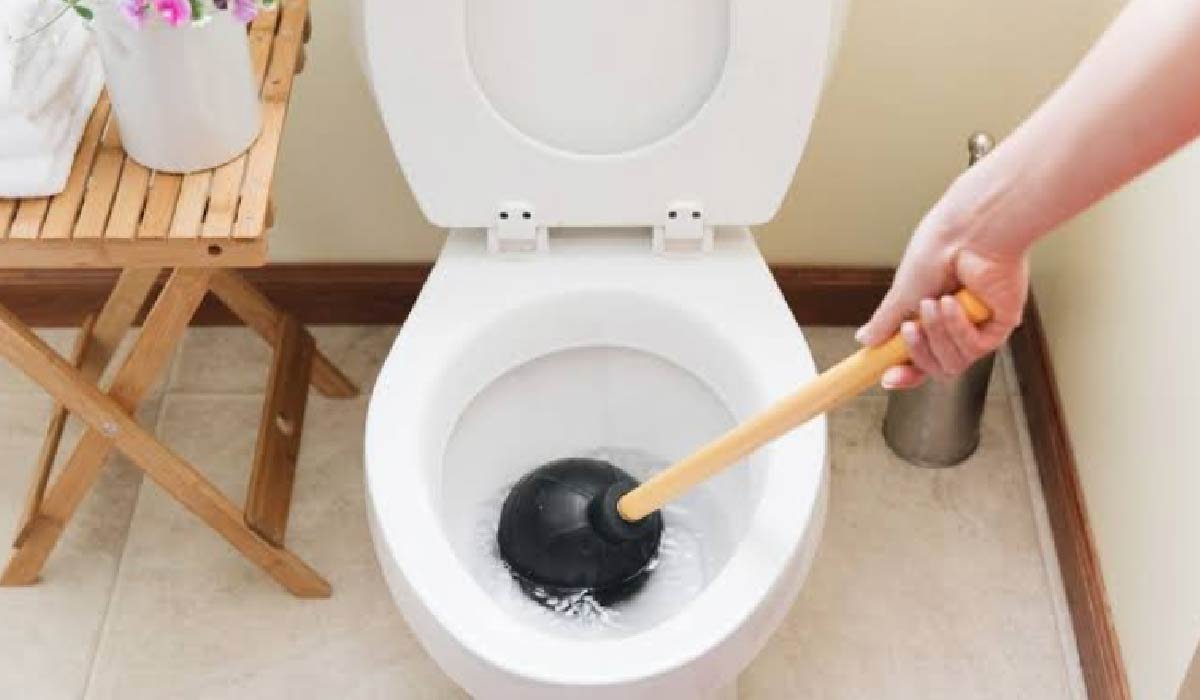
A clogged toilet rarely shows up at a convenient time. It’s usually during a houseguest’s visit, right before you leave for work, or in the middle of a Sunday morning routine. While a plunger can solve the occasional clog, a toilet that backs up again and again is telling you something deeper is going on.
At Delta Plumbing, Repipe and Drains, we’ve seen firsthand how a “minor” clog can snowball into a major plumbing headache if it’s ignored. The good news? Most repeat clogs have identifiable causes, and once you know what to look for, you can stop the cycle before it damages your pipes or your patience.
This post breaks down why toilets clog repeatedly, what you can try before calling a professional, and when it’s time to bring in an expert.
What Causes a Toilet to Clog Over and Over?
If your toilet clogs more than once every few months, it’s not bad luck. It’s usually one of these issues:
Low-Flow Toilets With Weak Flush Power
Older low-flow toilets, especially those made before 2008, were designed to save water but often sacrificed flushing power. If your toilet struggles to clear waste in a single flush, it may need more than a plunger to keep up with daily use.
Flushing Items That Don’t Belong
“Flushable” wipes, paper towels, feminine hygiene products, and even excessive toilet paper are common culprits. These materials don’t break down the way toilet paper does, and they can create blockages that sit just out of reach of a standard plunger.
Tree Root Intrusion
Older homes with clay or cast-iron sewer lines are especially vulnerable to tree roots seeking out moisture. Roots can work their way into tiny cracks in the pipe, eventually creating a blockage that causes slow drains and recurring clogs throughout the house, not just at the toilet.
A Deeper Blockage in the Drain Line
Sometimes the clog isn’t in the toilet bowl or trap at all. It’s further down the line, in the main drain or sewer pipe. If multiple fixtures in your home are slow to drain, this is usually a sign that the problem extends beyond the toilet itself.
Mineral Buildup Inside the Pipes
Hard water can leave mineral deposits inside pipes over time, gradually narrowing the passage and making it easier for waste to get stuck. This buildup happens slowly, which is why many homeowners don’t notice it until clogs become a frequent occurrence.
What You Can Try Before Calling a Plumber
Not every clogged toilet requires a professional visit. Here are a few steps worth trying first:
- Use a flange plunger, not a cup plunger. Flange plungers create a stronger seal in toilet bowls and generate more suction power than standard cup plungers.
- Try hot water and dish soap. Pour a cup of dish soap into the bowl, followed by hot (not boiling) water. Let it sit for 10–15 minutes before attempting another flush. The soap can help lubricate the blockage.
- Use a toilet auger for stubborn clogs. A toilet auger, sometimes called a closet auger, can reach further into the drain than a plunger and physically break up or hook onto the obstruction.
- Avoid chemical drain cleaners in toilets. These products are often too harsh for toilet porcelain and can actually damage pipes over time, turning a simple clog into a costly repair.
If these steps don’t clear the clog, or if it comes right back after a successful flush, that’s your cue to stop troubleshooting and start investigating.
When a Clogged Toilet Signals a Bigger Plumbing Problem
A single clog is usually nothing to worry about. A pattern of clogs is a different story. Watch for these warning signs:
- Gurgling sounds coming from other drains when you flush
- Water backing up into the shower or tub when the toilet is flushed
- Slow drainage in multiple fixtures at once
- A persistent sewage smell near the toilet or in the yard
- Clogs that return within days of being cleared
Any of these symptoms point to an issue beyond the toilet bowl, likely somewhere in your home’s drain or sewer line. Trying to fix this with store-bought tools often provides temporary relief at best.
How Delta Plumbing, Repipe and Drains Diagnoses Recurring Clogs
Dealing with a stubbornly recurring Clogged Toilet that no amount of plunging seems to fix? That’s exactly the kind of persistent plumbing issue our team at Delta Plumbing, Repipe and Drains is built to solve. Rather than guessing at the cause, we use video camera inspections to see exactly what’s happening inside your pipes, whether that’s a buildup of debris, a cracked line, or root intrusion several feet underground.
Once we’ve identified the root cause, we recommend the right fix for the situation:
- Hydro jetting for pipes with significant buildup or grease accumulation, using high-pressure water to clear the line completely rather than just pushing the blockage further down.
- Drain snaking for localized blockages that need mechanical removal.
- Trenchless pipe repair for damaged or root-infiltrated sewer lines, which avoids the need to dig up your entire yard.
- Repiping services for homes with aging or corroded pipework that’s contributing to recurring issues throughout the plumbing system.
Our team walks you through exactly what we find and why we’re recommending a particular solution, so you’re never left guessing about the health of your plumbing.
Protecting Your Home From Future Clogs
Once a clog is resolved, a few habits can help keep it from coming back:
- Only flush toilet paper. Everything else, including “flushable” wipes, should go in the trash.
- Schedule a professional drain inspection every year or two, especially in older homes.
- Watch for slow drains elsewhere in the house. They’re often an early warning sign of a developing blockage.
- Consider a water softener if you’re dealing with hard water, which can reduce mineral buildup inside your pipes over time.
Don’t Let a Recurring Clog Become a Bigger Problem
A toilet that clogs once in a while is normal. One that clogs again and again is a sign worth paying attention to. Whether it’s a weak flush, invasive tree roots, or a deeper blockage in your sewer line, the team at Delta Plumbing, Repipe and Drains has the tools and experience to find the real cause and fix it correctly the first time.
If your toilet has been giving you trouble more often than it should, reach out to Delta Plumbing, Repipe and Drains today. Our team can diagnose the issue, explain your options clearly, and get your plumbing working the way it should.
FAQ
How much does it cost to fix a recurring toilet clog?
Costs vary depending on the cause. A simple drain snaking may cost less than a full camera inspection paired with hydro jetting or trenchless repair. Delta Plumbing, Repipe and Drains provides upfront pricing after diagnosing the issue, so there are no surprises.
Can tree roots really get into my sewer pipes?
Yes. Tree roots are drawn to the moisture inside sewer lines and can infiltrate even small cracks or joints, especially in older clay or cast-iron pipes. Over time, this can cause significant blockages and even structural damage to the pipe.
Is it safe to use chemical drain cleaners on a clogged toilet?
It’s not recommended. Chemical cleaners are typically formulated for sinks and showers, not toilets, and can damage porcelain or weaken pipe materials over repeated use. A plunger, toilet auger, or professional service is a safer choice.
How often should I have my drains professionally inspected?
For most homes, an inspection every one to two years is sufficient. Homes with older pipes, mature trees near the sewer line, or a history of clogs may benefit from more frequent checkups.
